
.png?width=1600&height=1000&name=AI-powered%20set%20up%20and%20analysis%20(3).png)

Highlight Spark Keynote: How Women-Led Brands Are Shaping Conscious Consumption

In the early days of product development, women didn’t have much say in the products that were built for them–or for anyone else. We’ve come a long way since then, and there’s tremendous potential ahead yet. What unique perspectives can we bring into the fold with more women shaping product innovation? What kind of product landscape can we imagine–and bring into existence–when we ask what it really means to build better products for people and the planet?
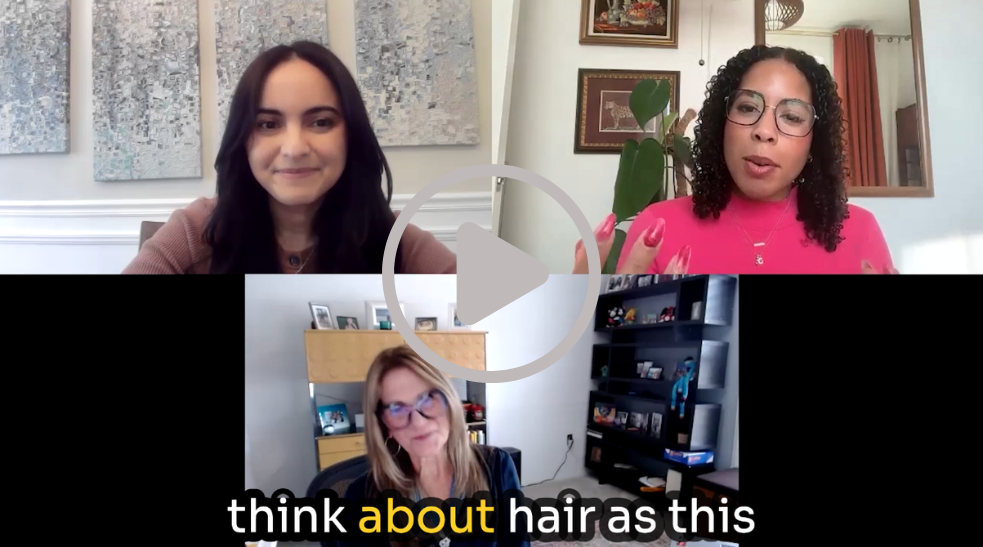
Download now to see Scout Brisson, CEO at De Soi, and Kelly Murphy, GM at LOLA as moderated by Dana Kim from Highlight discuss these important topics.
Automated Webinar Transcript
Dana Kim: Hello everyone, and thank you for joining us for Highlight Spark's very special keynote session, how women-led brands are changing, are shaping conscious consumption. My name's Dana Kim, I am founder and CEO of Highlight. We are a product intelligence platform, but more importantly today I'm really excited to be joined by two powerhouse product builders, Scout Brisson, CEO at De Soi.
Better for you, aperitifs, and Kelly Murphy, general manager at LOLA, better for you feminine care. So I could go on and on about how wonderful you both are, but I'll leave it to you to introduce yourselves. Let's start with some brand intros. Kelly, can you begin by telling us who you are, who LOLA is, and delve a bit deeper into LOLA's mission and vision?
Kelly Murphy: Yes, absolutely. I'm excited to be here and thanks me. So, I am general manager at LOLA. And LOLA is a better for you as mentioned, clean and organic, feminine care company. We provide clean and organic solutions for period care, for sexual wellness and for postpartum. And we really have three pillars to our business.
So clean ingredients is you know, first and foremost and transparency about those ingredients. Second is advocacy for women's rights, which is huge for us. It, you know, has been kind of part of our foundation since the brand launched about 10 years ago, and then third pillar is just convenience.
So being where women and menstruaters need us and making ourselves as accessible as possible, whether that's through D2C subscription, retail partnerships, et cetera. So our mission is really about at the core making it possible for women and menstruaters to enjoy and embrace their bodies and to remove any friction, discomfort, irritation, pain, that kind of prevents that journey for them.
Dana Kim: Amazing. Scout your turn. Let's hear about De Soi and your mission and vision.
Scout Brisson: Sure. So De Soi, we make non-alcoholic sparkling aperitifs. The brand was co-founded by Katie Perry and the master distiller Morgan McLaughlin back in 2020. They actually met when they were pregnant, both for the first time.
So they obviously were in a stage of their lives where they weren't drinking, but both of them were non-alc consumers as well, even before that point in their journey. So when I think about De Soi, I mean, we just launched a new spicy margarita flavor, we have a non-alcoholic Aperol Spritz. Yeah, it's I mean, I'm biased obviously, but it's really good.
But I feel like we are here to really provide options and make, whether it's networking events or dinner parties feel more inclusive or even your night at home where you are feeling like you need that glass of wine to unwind and relax, but you don't actually wanna have the, the after effects of it.
So, really have seen this whole movement around non-alcoholic options and you know, fortunate to be part of the team that's leading the way at De Soi.
Dana Kim: Amazing. Maybe news to both of you. I think, Scout, I may have mentioned this when I saw you out in LA, I'm actually pregnant myself and I totally resonate with that.
Scout Brisson: Congrats.
Kelly Murphy: Yes, congrats.
Dana Kim: Thank you. Thank you. I totally, yeah, I totally resonate with wanting to have some spirit, "spirit" of celebration at home when I'm out. And I did just see the spicy margarita launch. I haven't yet gotten my hands on it. I will definitely,
Scout Brisson: We'll send you some, we'll send you some.
Dana Kim: But that mission hits close to home currently.
So both of you are leaders at incredible brands that were founded with the female experience in mind. And you really sort of expanded beyond that. Both De Soi and LOLA now serve consumers of many different demographics, and you have a lot of DNA and your roots are in striving to meet unmet needs for underserved groups.
Can you tell me a bit more about how those origins have sort of informed your product development lifecycle for women and femme who continue to influence the work you do today?
Scout Brisson: Yeah, yeah. I'm happy to start I mean, I would say for just while we've had a really interesting product development journey, when we first launched the brand, we started with more abstract cocktail concepts.
And so we had three flavors that were called Golden Hour, Chignon Dreams, and Purple Lune. Probably those names don't mean a whole lot to you in terms of the flavor that, that you're gonna experience. And then we launched our first one for one, which was a non-alcoholic rose. If you've tried non-alcoholic de-alcholized wine products on the market, you may know that it's a really challenging taste profile to nail, and it's oftentimes more expensive than what you're paying for, for your favorite bottle of with the alcohol wine.
So when, when we were formulating that flavor, I was really, I was really afraid, I was really afraid of letting our customer down because we were, you know, we were layering fruit juices, botanical extracts, teas, right, to really replicate a rose like taste profile.
But it doesn't taste exactly like a rose. And so when we, when we are thinking about whether it's the rose or any product development. We have to have our customer part of the testing process. And that's actually something that we didn't do a lot of before we launched the brand.
Which was probably a mistake in hindsight, but I feel like we were able to course correct and it was okay, let's get, whether it's like me showing up at my investor who has a yoga studio in LA and sampling the product and collecting feedback or making sure that our feedback isn't just coming from really coastal communities like LA or, you know, New York on the other side, sending it to a friend who has a group of, you know, girlfriends in South Bend, Indiana and getting their feedback on it.
And so I think it's been about being hyper hypervigilant to like what is the feedback that's coming in the door? So anything that customers are putting, whether it's NPS or through customer service tickets, like I read every single customer service ticket. And then thinking about like, how do we know that that is, that's like one voice or three data points or whatever it is that are representative of a larger pool of people that are out there thinking or feeling similar things and then just not sharing it.
And then making sure that you follow that through and you continue to ask them questions and listen to them when you're in that development process because you can, you can convince yourself of anything you want to with data. And so it's really about making sure that you're like testing your own assumptions.
Dana Kim: Yeah. Totally. One quick follow up question for you Scout, I think, you talked about the origin story and this sort of idea for De Soi and you've talked about expanding the product portfolio and I'm assuming, the audience in focus. So how do you think about who is today's De Soi's consumer and who's tomorrow's De Soi consumer? How has that expanded over time?
Scout Brisson: Yeah, I mean, we are. Predominantly women, like probably 90% plus of our customer base are women. We actually started a little bit on the older side than what we were targeting. So we were seeing that like Gen X women were really reaching for our products.
They were the ones who were buying it and subscribing on D2C. I think as our brand has gotten more and more on shelf, we've started to reach that, that millennial woman who is really who we're going after. But I'll give you an example. The, the spicy margarita that we're talking about. I feel like a lot of our customers online weren't as excited about that flavor because they don't like spice.
Whereas all my friends are obsessed with it because we all love spicy margaritas. And so I think you're, for us, we're thinking about like, okay, how do we get to the core customer, millennial consumer, she's driving the purchasing of this broader non-alcoholic category, know that there will be bleed upwards because there often is, and then you know. I like, I wouldn't say just in our current line that men are a focus for us whatsoever, but we're just trusting that like the wives and girlfriends are gonna like, put it in the fridge and then like my fiance, you know, they're gonna, the guys are gonna be crushing it on their own too.
Dana Kim: Awesome. Okay, cool. Super helpful. Kelly, tell us a bit about the LOLA journey, and the product development, yeah, journey you've been on.
Kelly Murphy: Yeah, for sure. And I also wanna say Scout, I've already learned. From you how to pronounce aperitif, which I have definitely not been saying correctly. So I actually don't drink and so I'm so excited to be kind of partnered with you here.
But yeah, so LOLA, was really founded again 10 years ago as a period care brand, and was founded in a time when, there just weren't a lot of, or not a lot of accessible organic period care options. And so the founders had really said, it was a moment of realization when they realized how many chemicals, were in period care products, particularly tampons and, and realized like, oh my God, we have to change this.
And so, you know, our we then, you know, rolled out sexual wellness, let's call it maybe four or five years ago and rolled out postpartum late last year. So that's our newest product launch, and while particularly in the sexual wellness category, that's where we've seen the most broadening of demographics and that there are now men buying our products.
Even when they are buying our products, they tend to be buying our, our condoms or our lube, for the woman in their life or for experiences with the women in their life, and shout out to them. And so, you know, really our brand is still centering women, centering menstruating, center centering, kind of fem identifying people.
And so, that's, that's our core, that's our foundation. We also know that research into women's health, and women's care in general is lacking, is significantly underfunded, continues to be more and more kind of underfunded. And so our aim is to try to kind of fill that void and so for period care, you know, we know that, women and menstruaters are experiencing unnecessary pain, unnecessary, you know, itching, irritation, because of the chemicals that are in more conventional products, and so we're looking to try to fill that void.
During this gap of, you know, research that can really kind of tell us, more broadly what, how we can improve our, our healthcare and our, our experiences with sexual wellness, we're looking to try to close the pleasure gap that exists between kind of men and women, and make it so that women can experience more pleasure and less kind of friction, less pain in that as well.
And then postpartum. Moms, you know, are new moms, very busy, very stressed. How can we make that experience, less stressful, less painful, and just give peace of mind that you're, you know, picking LOLA off the shelf. It's organic, you don't have to worry about that. So that's really what we will continue to be focused on, in terms of, you know, demographics evolving.
You know, for the first several years of the business, heavy on millennial, women and menstruaters, we're starting to skew a little bit younger and that's part of our aim as well, just like everyone else to kind of capture Gen Z. But, knowing that period care makes up the bulk of our business.
You know, we're always gonna aim for Gen z, gen Alpha, you know, talking to moms and, and giving moms resources to give moms and guardians kind of resources. Where they can get their young girls started on and educated about, you know, their safety in, in their menstrual cycle and what they can use.
So yeah, that's kind of, that's where we are now.
Scout Brisson: Kelly, I'm actually so curious. Before you launched your sexual wellness line, did you know that that was going to be picked up more by male consumers or were you surprised?
Kelly Murphy: I think in that, so that rollout predates me, but from my understanding, I think there was, that was certainly not the intention, right?
It was very focused on close the pleasure gap, women and you know, improving experiences for women and, and again, solving for a gap, right? Avoid in the market where sexual wellness brands just weren't speaking to women, weren't speaking women's language, weren't focusing on that. And so I think there was some surprise, and we've been digging into that.
We did a big sexual wellness survey, actually, just last month. And to kind of dig into that and the segment is still pretty small, but it's there. And that's where we kind of learned, you know, they're buying for a partner. We also, the more we lean into, pride, pride month, pride campaigns, we get kind of a community there as well that's using the product.
And we're, we're really excited about that. You know, we're all about inclusivity and we wanna be able to reach anyone who kind of feels like they've been underserved by the current market.
Dana Kim: Wow. It's, it's pretty amazing, to follow the story of where LOLA started and the focus on period care and, and the expansion over time in terms of not just product portfolio, but mission, closing, the pleasure gap, and then therefore audiences and really consumers and humans that you are serving. Question for, for both of you, and maybe we'll, we'll stick with you, Kelly, since, you've just talked about it, but how have you thought about focusing on the core and really doubling down on let's own period care and really crush this category that we know so well?
Versus expanding and innovating into new spaces. And I'm curious, Scout on the portfolio side, you've just launched a new flavor, you have a wonderful suite of flavors. Now, how do you think about, you know, protect and strengthen the core versus net new innovation and launches?
Kelly Murphy: It's such a good question, and one that I have been thinking about a lot in the past year and a half. So we were acquired about a year and a half, and you know, when you're going through an acquisition process, it's all about numbers, it's all about profitability, et cetera. And so had to spend a lot of time thinking about, yes, who is our core customer?
Where are we gonna kind of generate the most profit and the most revenue? And so that kind of forced us to, to do that exercise of thinking, who is that? And for us, it's really our period care D2C subscribers. That's our heart and soul. Those are our brand ambassadors. You know, they've been, so many of them have been with us for literally 8, 9, 10 years.
And we're so grateful for them. We will protect them at all costs. And so, you know, from the, from the business side of that LTB, right? It's subscription, it's really strong LTV. And so that's kind of where we need to spend our time focusing at the same time from a reach and an awareness perspective. As well as a public access perspective, you have to start thinking really critically about retail, right?
And retailers wanna see innovation. And so realistically, I would say that we kind of, the past, the first year post acquisition kind of deprioritized innovation, we said, let's make sure that those subscribers, period care subscribers, are really protected. They have everything that they need, understand what they need.
But then in the past six months or so, we're kind of leaning back into, you know, where can we innovate, what do our customers more broadly want? And sexual wellness as a category offers a lot of opportunity for innovation. You know, with period care, it's like you can always make things a little bit better, more absorbent, you know, you can improve the clean profile, you can improve the environmentally sustainable profile.
With sexual wellness, you can go crazy guys, and so we're doing a lot of research there. We wanna do it right. We wanna stick to our, our values there, but yeah, that's kind of what we're thinking about right now. And postpartum, that was actually a, a pretty retail led, decision where we were seeing a gap in the market, specifically at on retailer shelves for organic options for postpartum.
And so that drove that kind of innovation process, and now we're iterating across omnichannel.
Dana Kim: Yeah. Super interesting. There's, it's interesting, I think, and I'm curious Scott, if you're finding the same, but retailer driven innovation is definitely a theme that we hear across our, our partners, our brand partners, and some of our retailer partners in terms of asking us what we're seeing and can we help some of their brands and suppliers innovate.
But it's very, very cool that the LOLA brand has so much permission to play across all of these very sensitive product categories, so.
Scout Brisson: Yeah, it's interesting, Kelly, hearing you talk about it because I think, I think De Soi is at such a different point in our life as a brand than where LOLA is and in, in ways where you're like, okay, yeah, we like, we know what's working, what's driving profit, what's driving the most revenue.
The, you know, the, even the channel is different, right? In terms of, our focus is very much away from D2C, which is different than where we started. I feel like we've had, we've had the very unfortunate, like supply chain time suck and resource suck of one of our formats of our product, which you won't see really on our website or on shelf, which is our, our wine bottle format, seven 50 ml.
And so I feel like I've been sort of taught maybe the hard way through that process how time consuming and resource intensive product development can be, without a lot of the upside and, and reward and like that's a skew that we've been working on. I think they started working on making that product before I was even involved.
So like, we're five years right? Or four and a half years into trying to figure out how to successfully manufacture that product. At the same time, once you have a really strong, like what I've seen with De Soi, once you have a really strong r&d process, then you feel like, okay, we're moving, we're flying.
Like we can do this, and now at this point, I feel like our team has a playbook for how we get to what, what the next flavor is. What is the goal of that flavor, right? Is the where the conversation has to start, is it. For a partnership with a major retailer, is it a seasonal play? Is it to be a core skew that lives on shelf?
Is it a test and learn type of opportunity like we did with Tres Rose? And so I feel like we've got that part of it really, really dialed and we're figuring out the, okay, if we wanna add a different. Format or a, a new product line, like how do we go about that and being even more rigorous in the way that we approach the, like, consumer feedback part of it.
So I, I love, I spend a ton of time with Morgan, our distiller on product strategy. I feel like she is the craftsperson, the creative, the like wizard when it comes to actually formulating Desis. And then I get to be the like unsexy, you know, ex McKinsey business person in the process, but we make a really good team on it, so it's a ton of fun.
Dana Kim: Yeah. Amazing. Scout just to, to sort of double click into some of the things that you just shared. How do you, when you're looking at your product portfolio and you have this newly launched spicy margarita, you have your, your one for one Tres rose, you have, some of your OGs, your golden hour.
How frequently are you going back to when you look at your assortment and the portfolio that you have? Are you saying like, let's really look at golden hour and is that the, the best possible beverage it can be? Versus let's consider a white wine or a whatever it might be a mojito. Like how are you thinking about when you invest time in product development focusing that on existing versus like net new?
Scout Brisson: That, I mean, golden hour is the perfect example because that liquid has always performed really well, and yet the packaging and the story that we're telling around the liquid isn't moving the product off of the shelves the way that our other flavors are moving. I'll give you an example. So Champaign Dreams, which I mentioned, Morgan used to describe it as like an Aperol spritz on acid.
Like it was a weird, funky flavor. And we looked at that skew and we're like, this really just needs to be a non-alcoholic Ale spritz. So we sunset that flavor and launched Spritz Italiano in its place. I think we have bounced back and forth like St. Ritz's Mule, which was our, our Winter Apre ski Twist on a Moscow Mule, and we launched last fall that was a like maybe three or four month development process where we were just like, this is a Hail Mary.
Let's see if we can get it done. Drum up the demands sales team, go run after it. D2C, spin up a marketing plan, and it worked. At the same time, we were simultaneously starting development on. You know what? Golden hour will become over time. And so I feel like you can really have multiple balls in the air to like directly answer your question.
Where we're like sometimes actually creative development and product development are really rarely linear processes, so I feel like if you have a couple horses in the race, you get to just like flex into, well we got that Hail Mary, so let's run with it while this other piece is just like chugging along in the background.
Dana Kim: Yeah. Yeah. I love that. Yeah. I love to ask the question of like core versus new or renovation versus innovation. And the answer is it has to be both. Yes. Almost all of the time. It has to be both. You have to make sure that your existing portfolio is, is tight and performing and competing and hitting expectations, while also thinking about the future.
Both of you alluded to the sort of omnichannel nature of sales in consumer products today and both of you have really strong roots in, in D2C. We'll have a, a ton of brand developers, marketers listening in on this. And I'm curious, what advice you have for them in terms of, just evolving your strategy, and how to think about omnichannel, prioritize channels. How do you really ensure you're meeting shoppers, you know, where they are.,I know Kelly, you just, you mentioned earlier, some of the retail strategy, being with the goal of meeting shoppers where they are that you did as well.
Kelly starting with you, tell us about how you've aligned your omnichannel and where you show up with your, your shopper and your customer?
Kelly Murphy: Yeah, it's a great question. And I personally am a D2C girly. I came up through D2C and so that's definitely my kind of bread and butter, heart and soul.
And that's really where you can, you know, that's where you build a brand. That's where you can tell the brand story. And I also kind of came up through the D2C, you know, startup world. And to kind of what you're alluding to, I think to a degree is that bubble is kind of burst, right?
Or it's in the process of bursting. And that shift has been a little bit painful for sure. And so, I think ultimately it's good, which might be a crazy thing to say, but I think ultimately it's good because while it is uncomfortable and we've all had to kind of figure out new strategies, I think being forced to the shift is really toward profitability and away from kind of growth at all costs.
And I think that's ultimately good because we're all being forced to find ways to get our unit economics right from the beginning. And I think that's going to allow a lot of brands that are trying to do good and trying to disrupt to be more sustainable to rather than seeing so many of these arcs of like peak and then eventually go out of business.
My hope is that kind of from this shift we'll see more of like, okay, we're gradually growing and you know, a lot more of these businesses will be able to just kind of stick around. And so, I think. You know, my advice, my advice probably is, we've been really rigorous about this at LOLA is getting those unit economics in place and, really adhering to them, adhering to your ideal kind of EBITDA margin, across omnichannel, right?
So it can sometimes be easier to do on D2C. It can be easier to preserve margin on D2C. Really be mindful about preserving margin on Amazon, even where it's hard. And if it's too hard, consider like, is that the right channel for you and your business? Having that margin profile right for the retailers that you partner with.
And I will say we took a step back post acquisition from some retailers because it wasn't the right market fit for us. It wasn't the right margin profile for us , and so we're now saying who are the right long-term retailer partners for us, and what are the retailer partners with shared values? And so, you know, we're going a little bit slower, but trying to be more strategic.
And I think that's kind of like the, the, the overarching like how the shift is going is like, okay, go slow. You know, it used to be like, move fast and break things. Now it's like, go slow and be strategic. And so that's really my advice, and you know, the other thing that we at LOLA have been trying to do is, you know, we've got the omnichannel business piece of it, but then how can we look at marketing partnerships in a new way?
You know, if, if part of our mission is about making our products available in public spaces, you know, we launched a partnership with the New York Liberty and Barclays Center. We have a partnership, this is my announcement, I guess, that we have a partnership with. the Minnesota Links and Target Center in Minneapolis launching as well.
Thank you. So press release to come next week. And so,, we're trying to find these big spaces or these natural spaces, where we can work with partners like that to offer our product for free. When that wasn't kind of previously available, so that's been an interesting kind of pivot in the strategy too, that I think a lot of brands could potentially lean into.
Dana Kim: Yeah, congrats on that exciting announcement. Such an incredible position to be in. I'm sure some of our earlier stage brands will be like, what? Saying no to retail, pulling back fewer doors. But so important to be thoughtful and strategic to your point. Just to round out the, the, the partnerships piece, very exciting about your new partnership, your existing one with New York Liberty.
Women's sports is clearly a theme. We talked about brand partnerships a ton we actually test a ton of brand partnerships here at highlight. Any advice or tips for other, you know, consumer brands who are looking way, looking for ways to build. Meaningful values, aligned partnerships.
Kelly Murphy: Yeah. I think two things, and it might sound obvious, but the first one I would just say like, stay true to your values.
You know, we were thinking about, you know, we've got this bucket that we can spend against awareness. We've been calling 2025 our awareness year, right? Last year was our profitability year. This is our awareness year where we have the right, we've earned the right to spend a little bit more. That's still not it.
The bucket is not that big, right? And so we have to be really mindful about where we're spending that and when, and I've even had to be pushed by others in the organization to remember like, let's stay true to our mission, our values, what feels like the most natural extension. And that's what everyone is gonna be, you know, the, the public as well is gonna be really excited about.
And that's where we landed, you know, with women's sports. What also makes it natural is. I am a four season, you know, ticket, four year season ticket holder to the New York Liberty. And when I started chasing this two years ago, it was honestly selfish. You know, it was personal prevalence, you know, something that seems like it could be an exciting match.
But when you really look at the data and this would be advice as well. You know, there's the obvious piece of people who are interested in, in women's sports probably care about their health and their bodies. And so there's a natural fit there as well. But we dug into data to kind of prove out that this was the right partnership for us.
And what we found is that amongst, fans of women's sports, those fans are much more likely to trust influencers, female athlete influencers, and trust what they say and actually make purchases based on that. Thought that was super interesting. And so we went influencer first. We worked with some WNBA, you know, players before kind of leaning in more thoroughly.
And so that, I would say kind of, you know, look for the data, but really just kind of stick to your core values.
Dana Kim: Love it. Go with your gut. Is sometimes the best advice you can remind folks of when you're drowning in that. Awesome. Scout, tell us a bit more about your omnichannel strategy, how that's evolved, and how your meeting shoppers where they are, you alluded to a bit of this earlier, but curious to hear more.
Scout Brisson: Yeah, and I, and I would say the very tactical advice that I have for anyone is just benchmark your category. Like, look, you can go on Facebook Ads Library and say, okay, who, what other beverage brands my size are running paid ads? What about beverage brands that are 10 times my size?
Are they running paid ads? What does their presence look like on Amazon? Get that inside Intel as much as you can. I mean, I think there will continue to be new channels that are popping up. I feel like TikTok shop is a huge one that people are talking about and one that I know, for instance, I've talked to a lot of supplement brands that are absolutely killing it on TikTok shop.
We're trying to figure out does it make sense to be there as a beverage brand? So I would say I feel like there, this is two part which is I'm very grateful that De Soi started as a D2C business because it, it D2C native, you know, digitally native businesses really are forced to think about how their brand shows up in multiple digital channels, which I think a lot of retail first brands just don't have to do necessarily and then are therefore missing out on.
You also obviously have this direct line of contact with your customer, you have a lot of opportunities to leverage there. And at the same time, I think as Kelly was describing for De Soi it has become a way less focused channel for us, as the wholesale business has started to emerge.
We are building a new category, so when you walk into a target today and you see that there's a four foot set of non-alcoholic adult beverages that didn't exist when we launched our business. And so I feel like a lot of it is staying on top of what are the channels that are merging? Continuing to be vigilant when it comes to all the things that Kelly talked about, which is like you can wake up and have been crushing D2C for a year and then it's no longer making sense.
And like that's okay and that's something that you have to just work around. We are at a point where we're definitely doubling down on retail. That's been, you know, hugely valuable for our business. I think it knowing beverage, it will continue to be hugely valuable. We're starting to explore on-premise channels, so really thinking about restaurants, bars, and hotels, which are, again, if you look at how independent spirits companies are built, that is their bread and butter.
And so I look at those as comps of like what matters to consumers and to brand equity and trial driving. And that's, that's an important one for us to play in. I think Amazon continues to be important for beverage brands and we'll see about TikTok shop.
Dana Kim: Amazing. and tell us a bit more about, I think, you know, Kelly talked a bit about brand partnerships and increasing awareness by way of values aligned partners, obviously, De Soi has its roots in incredible, founding team by way of, of Katie and Morgan, but how do you think about brand partnerships and increasing wearing via that awareness, via that channel?
Scout Brisson: Yeah, we, we haven't done, I'm trying to think, I don't think we've done anything at the type of scale that Kelly, it sounds like you and LOLA have done, although.
Again, if I look at like track record for beverage, I mean think about the US Open, right? Like what brands do you see plastered everywhere? Think about festivals. Think about like there is so much money in beverage that goes towards massive, massive partnerships. We'll get there. Right now we really focus on just having, I'd say more of like your macro versus micro influencers.
We focus on the micro partnerships. So it might be for instance, like around Spritz Italiano launch, we had, if there's like a great sandwich shop Giata in Venice that we did a cool partnership with and we had a partnership with Goop Kitchen and had the spritz on their menu for the summer and a bunch of marketing around it.
We are partnering all the time to have products served at events and I think that's been an amazing way to just like get the word out there. Or even with Haute margarita, we, our whole campaign is around this idea of like hotspots because people can, you know, in a fun way, mispronounce, Haute as hot. And we have all of these partnerships with Pilate Studios and they are filming the most incredible content as part of it that we're blown away just by the type of UGC and reach that we're getting on social through these partnerships.
Dana Kim: Yeah. Amazing. I as a follower of the brand on Instagram and, and Instagram and of you, I totally see all that amazing, incredible organic UGC. So very, very helpful to hear some, how you think about that strategy.
Scout Brisson: Well, and you know, it's working when like, I literally had three friends over the weekend text me photos of De Soi at a Pilate studio and it wasn't like I sent them there.
Right? Like you're just like, oh, we're getting in front of the right demographic by doing it. And I think you have to, I mean, Kelly, I love your, like, this is the awareness here because I think when you're doing the like stuff where you feel like you're throwing it out into the ether and seeing what happens, you've gotta listen for the like qualitative signs of this is working.
Kelly Murphy: Totally. It's so hard, and I think especially as like D2C girlies who like are all about attribution and you have the data, you own the data, you can see the numbers. Like spending against awareness is hard. You have to just accept like it's not gonna be attributable, but to your point, you, you still have to get the feedback somewhere.
And, and it's, it's likely, yeah. Gonna be kind of all qualitative or kind of patching things together. It also really resonated, you know, you've mentioned TikTok shop a few times, and I just wanna say TikTok shop is so hard, it's so like its own thing. I really admire you guys kind of, you know, committing there.
Scout Brisson: Well, we haven't yet, so maybe we should chat Kelly.
Kelly Murphy: But no, I, I think you guys are really well suited for that world. So yeah, I'm excited for that for you guys.
Dana Kim: Thank you. Awesome. we didn't do proper like personal intros, but you both come from really dynamic and diverse career histories.
I'll start with you, Kelly. You spent your early career in consumer insights. How has that foundation influenced your career and what advice do you have to others who are looking to build towards brand leadership into a position like where you are today?
Kelly Murphy: Yeah, for sure. Yes, so I did the ad agency thing for I think about four years.
And as part of that I had a stint, at Publicis where I was part of the search and data science team doesn't exist anymore, but was a beautiful moment in time where we had, you know, a 30 person team made up of behavioral scientists of engineers of Data scientist, strategist, and then search like paid search and SEO kind of strategists and experts as well.
And really the goal was to scrape open source data sources and then package that into insights. So if, for instance, like Garnier came to us and they said, oh, we wanna get more into men's haircare. Tell us everything that you can kind of find about how men feel about their hair, what they think about their hair.
We would do this huge project of like, you know, Google and census data and just anything that was available and kind of package it up. And it was, I'm so grateful for that time and that experience. It was such a privilege to be around so many different types of insights specialists and learn from them.
And I think what I, what really stuck with me is the rigor that it takes to eliminate or mitigate bias from results. And that is something that I've been able to kind of take through my career, you know, if you don't have a behavioral scientist on your team, which you probably don't, like what can we do to ensure that this, you know, survey that we're sending out to customers, that the questions are phrased in a certain way so that we're eliminating bias can also be easy.
A lot of us are, you know, if we're at mission-driven brands, we have a personal investment, it can feel like you're the brand and the brand is you. How do you remove that? And kind of again, be really rigorous about who's my customer? What are they, what's the diversity of my customer? What are, what are they all saying they need, they get out of this brand.
You know, kind of working at getting the data in that kind of unbiased way. So that's really, that stuck with me and I think there's also a story to be told there around data when kind of used ethically can kind of be a great equalizer and so I think that's all kind of been bubbled up to throughout my career to where we've gotten here.
I think you had a second part of the question, which was about, I forgot it. Sorry.
Dana Kim: Yeah, I mean, it was, it was advice for, you know, folks on the rise who are hoping to be where you are someday leading a really a thriving, mission-driven brand. Any career advice you'd have for them given, you know, you've gotten to a really incredible, inspiring place.
Kelly Murphy: Yeah. I took kind of a circuitous route to get here. So I started my career in book publishing, which people are often like, whoa, crazy. I worked in book publishing at Penguin for four and a half years, then I worked at ad agencies, then I went in-house. And you know, just had a lot of kind of different roles.
I would say kind of don't be afraid of that. I feel like I talk to a lot of people who are like, okay, I'm on a path I am you know, even in my agency days, a lot of people were like, well, I can't leave. You know, this is my path. I'm an ad agency person, I gotta stick with this. I think there can be a lot of benefit from having kind of a diversity of experiences and being able to pull.
From, you know, doing consumer insights briefly for a year and a half and learning so much there and being able to then apply that when you're at kind of a mission driven brand. And so I would say, you know it goes back a little bit to core values, right? There's core values for your brand, but the more you kind of listen to and stick to your core values, and as you continue to move forward, kind of narrowing in on like, what is important to me?
Is it really important that I am, you know, reporting into a female team? You know, because those are, you know, values that align with mine, that's gonna make everything more natural and easier. Just sticking with that, I think you're gonna end up in the right place. That was my experience at least, and I'm really grateful for that.
Dana Kim: Awesome. I love it. The circuitous paths are always the most interesting.
Scout, your, your background is, is similarly sort of diverse. You have a really unique background. Neuroscience at MIT and consulting at McKinsey, and then in venture capital. How have those experiences sort of shaped your journey and where you are now and what advice do you have for folks who one day wanna be the CEO of a fast growing, CPG brand?
Scout Brisson: Yeah, I know as Kelly as you were describing that, I was like, yeah, I think a lot of times I get this question of how did you go from MIT to beverage? It's like, are you, are you dumb? And I'm like, maybe a little naive, but I, well, I think about this a lot when it comes to my hiring philosophy because you know, I was put into this position as CEO and didn't have the experience.
Right. And I think that happens a lot of times, right? It's like you, you have to do something for the first time always. And I really believe in people who are hungry, are ambitious, who want to be super scrappy, like to learn new things, want to be challenged, live outside their comfort zone. And so I always feel like for me, when I, when I look back and I think about, well, why did I make each step that I made in my career?
And I was always seeking growth and I was always seeking more responsibilities than I deserve to have at my age. And I think a lot of actually a lot of McKinsey culture is, is really rooted in that. And it's like I was 21 years old when I started working there and put into rooms with clients that had decades of experience.
And I was expected to speak, I was expected to have an opinion and have a voice. And I think that very early on for me, just shaped Yeah, my, like, my expectation for myself, right? And for the people that are a part of the team. So advice, I think your network is everything, like when I think about how I got every single job that I've had after McKinsey, it's always been through my network.
How I tend to hire people like a warm intro or referral go a really long way because you have a pool of applicants that start to blur together. So, I feel like it's about like chase being outside of your comfort zone, find the people who are willing to bet on you and then just build your network so that those opportunities are are front and center when you're looking for them.
Dana Kim: Yeah. Awesome. Okay,Oh man, I have so many more questions that we won't be able to get to for the sake of time. But I do wanna make sure as we wrap, that our viewers know where they can learn more about you, follow along your journeys, your brands journeys.
So where can they find you? Scott, you wanna go first?
Scout Brisson: Sure. Oh, hold on, light moment. Very fitting with my, like, background of light bulbs. De Soi on Instagram. So drink De Soi, D-E-S-O-I. And then, I am an avid LinkedIn poster. I try to share as many insights as possible, so you can definitely find me on LinkedIn and prepare to be spammed.
Dana Kim: Amazing. We will post those details in a slide shortly. Kelly, what about you?
Kelly Murphy: Yeah. Awesome. That's a good nudge for me to be more active on LinkedIn, so I'll try to follow your thought leadership example, but yeah, for me, LinkedIn, and then for the brand, definitely Instagram is, you know, our, our biggest kind of LOLA hub.
But we're growing on TikTok, and so we'd love it if you followed us on TikTok. We're on Facebook, we're on LinkedIn, so all the places, whatever you know, is natural for you.
Dana Kim: I love it. TikTok Shop.
Well, thank you both so, so, so much. This has been really fun, really inspiring, really informative. I love that 2025 is the year of awareness. Hopefully highlight can play a tiny, tiny role in that, by hosting and airing this incredible session. A huge shout again to Scout and Kelly for joining us.
Thank you all for listening in, and we hope to see you in the next session of Highlight Spark.
Scout Brisson: Thanks so much.
Kelly Murphy: Thank you.