2026 CPG packaging trends for CPG product teams
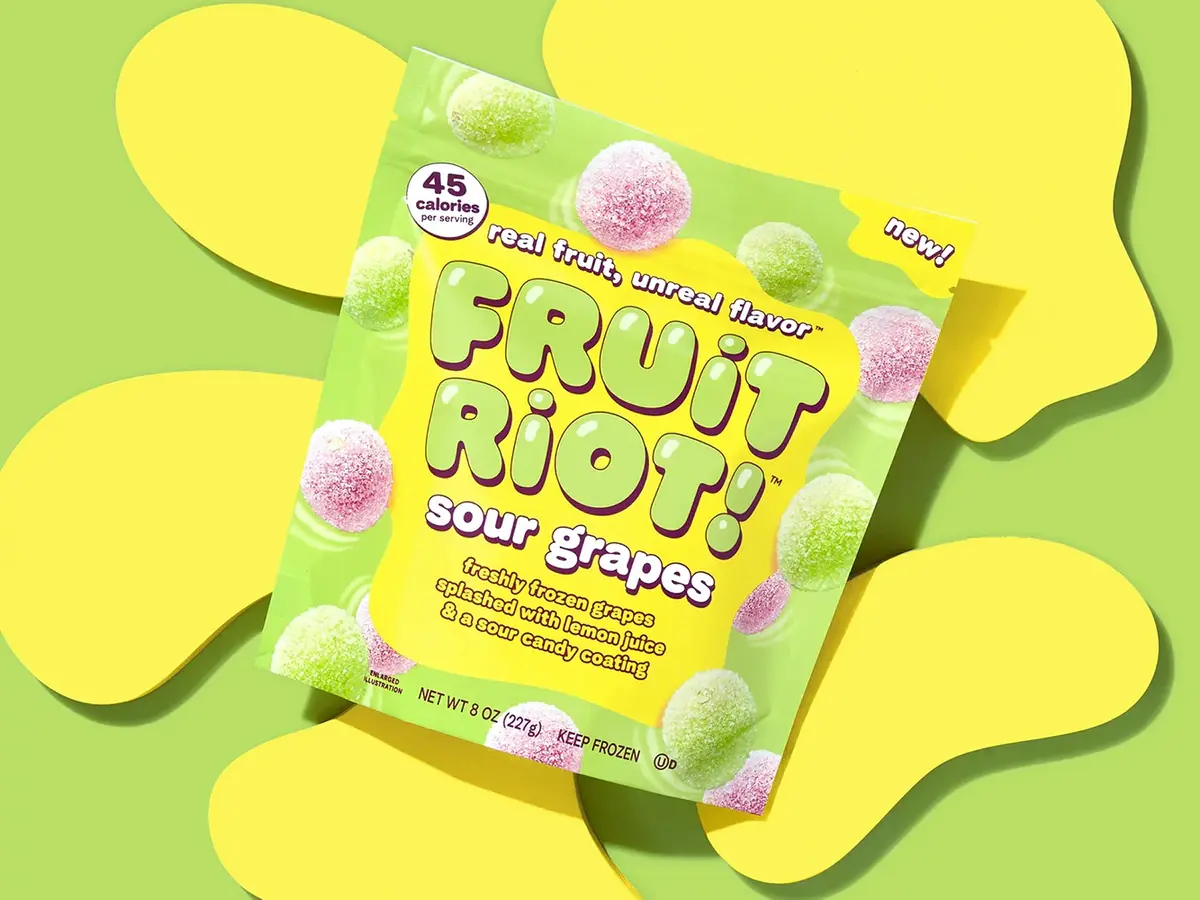
As we enter a new year of innovation in CPG, brands are entering a period of creative tension: technology is accelerating faster than ever, consumers are more value-conscious, and shelf competition is intensifying across every category.
To help brands prepare for the year ahead, Highlight kicked off 2026 with an episode of the Highlight Reel featuring Emma Steele, Head of Emerging and Disruptive Brand Partnerships at Highlight, and Fred Hart, creative consultant and design strategist who has worked with brands like Hot Pockets, Feastables, Monster, and Momofuku.
Together, they unpacked the design, packaging, and branding shifts that will define CPG in 2026—from the backlash against AI-generated sameness to the rise of color, character, and community-led brands.
Read on for a recap of their most important predictions.
1. AI fatigue will fuel a return to human, analog design
AI isn’t going away, but blind reliance on it is already losing consumer trust.
Fred predicts a growing divide in 2026 between “AI slop” and intentionally human design. While some brands will continue using AI for speed and efficiency, many consumers are responding negatively to packaging and advertising that feels overly polished, generic, or emotionally empty.
In response, expect to see:
- Hand-drawn illustration and rough, imperfect textures
- Visual cues that signal craftsmanship and “human touch”
- Brands openly emphasizing that real people—not algorithms—created their packaging
This shift will be especially pronounced in natural and better-for-you categories, where authenticity and trust are core to brand equity.
Key takeaway: AI should be a tool, not the output. Brands that lead with taste, strategy, and human creativity will stand out.
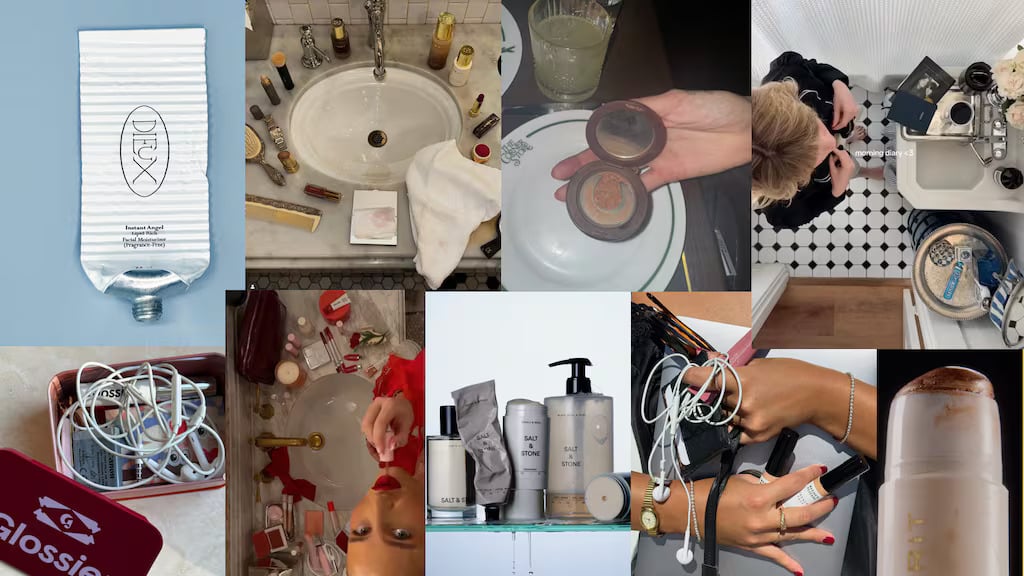
Read: The Anti-AI Aesthetic Taking Over Social Media on BoF
2. Color, character, and “Gen Z” energy will dominate the shelf
Minimalism isn’t dead, but it’s no longer enough.
One of the strongest predictions for 2026 is color maxxing: bold palettes, expressive typography, playful illustration, and packaging that feels alive on shelf. Rather than owning a single brand color, many emerging brands are embracing entire color systems—or even the full rainbow.
This trend is being driven by:
- Younger consumers craving personality and emotional connection
- Increased shelf competition with private label brands that now look “premium”
- A desire to stand out in crowded aisles
Fred also noted a rise in ’80s and ’90s-inspired design, including serif typography, nostalgic layouts, and “run club” aesthetics, often paired with modern product benefits.
Key takeaway: In 2026, packaging will be louder, more expressive, and more culturally fluent.
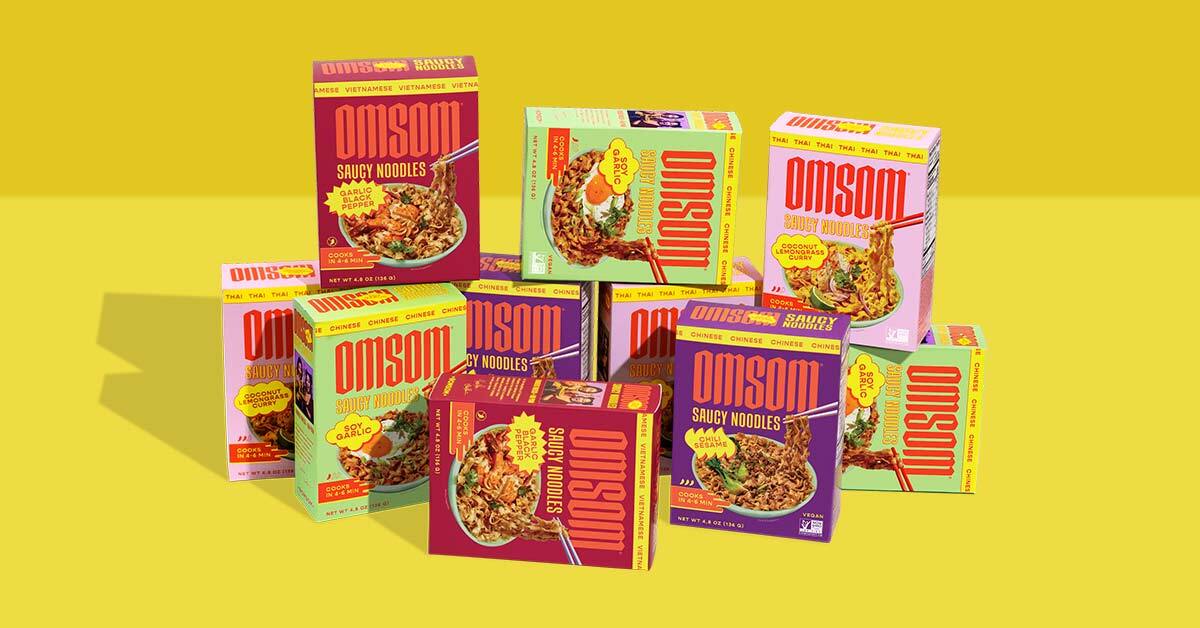
3. The protein bubble is cracking, so functional messaging will get more nuanced
Protein has dominated CPG innovation for years, but that momentum is slowing.
According to Fred, many brands are adding protein simply because they can, not because consumers actually want it in that format. This mirrors past boom-and-bust cycles like plant-based and keto, where fast followers diluted the category.
What’s next?
- More scrutiny around where functional ingredients belong
- Rising interest in complementary benefits like fiber and gut health
- Packaging that communicates balance, not just macros
Brands that rethink functional claims with real consumer context—not just trend-chasing—will be better positioned as the protein hype cools.
Key takeaway: Function still matters, but relevance matters more.
Learn more about the up-and-coming functional ingredients that are stealing shelf space from protein in our Highlight Reel with fiber-maxxed Zesty Z pita chips featuring Nate Rosen of Express Checkout
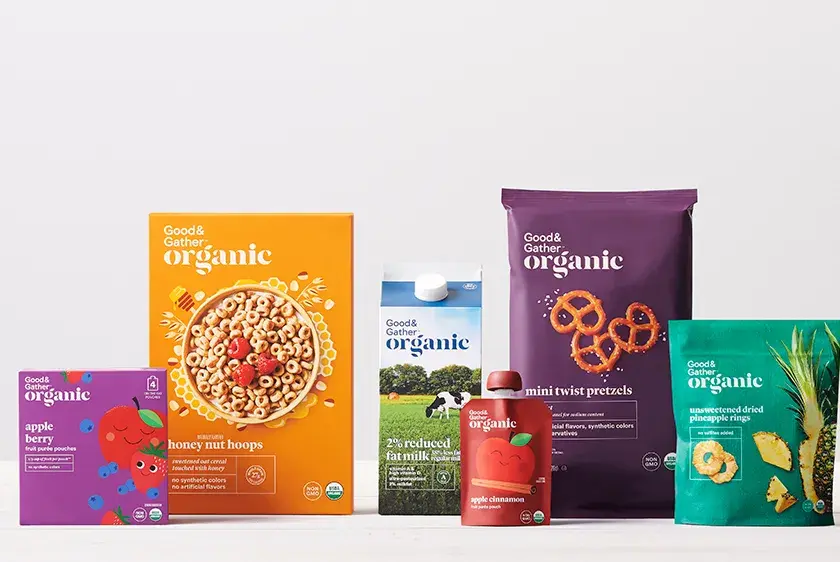
4. Private label will keep getting better, and brands must adapt
Private label is no longer a compromise, it’s a competitor.
Retailers like Target, Walmart, Costco, Aldi, and Trader Joe’s are investing heavily in design, closing the visual and experiential gap between private label and national brands. In many cases, private label now offers:
- Comparable quality
- Strong brand systems
- Significantly lower prices
Fred believes this trend represents normalization, not disruption, especially when compared to European markets where private label penetration is much higher.
To compete, brands need defensibility. Two strategies stand out:
- Focus: Go deep in one product or format rather than broad portfolios
- Community: Build emotional connection through founder stories, content, and culture
Key takeaway: When price parity disappears, brand meaning becomes everything.
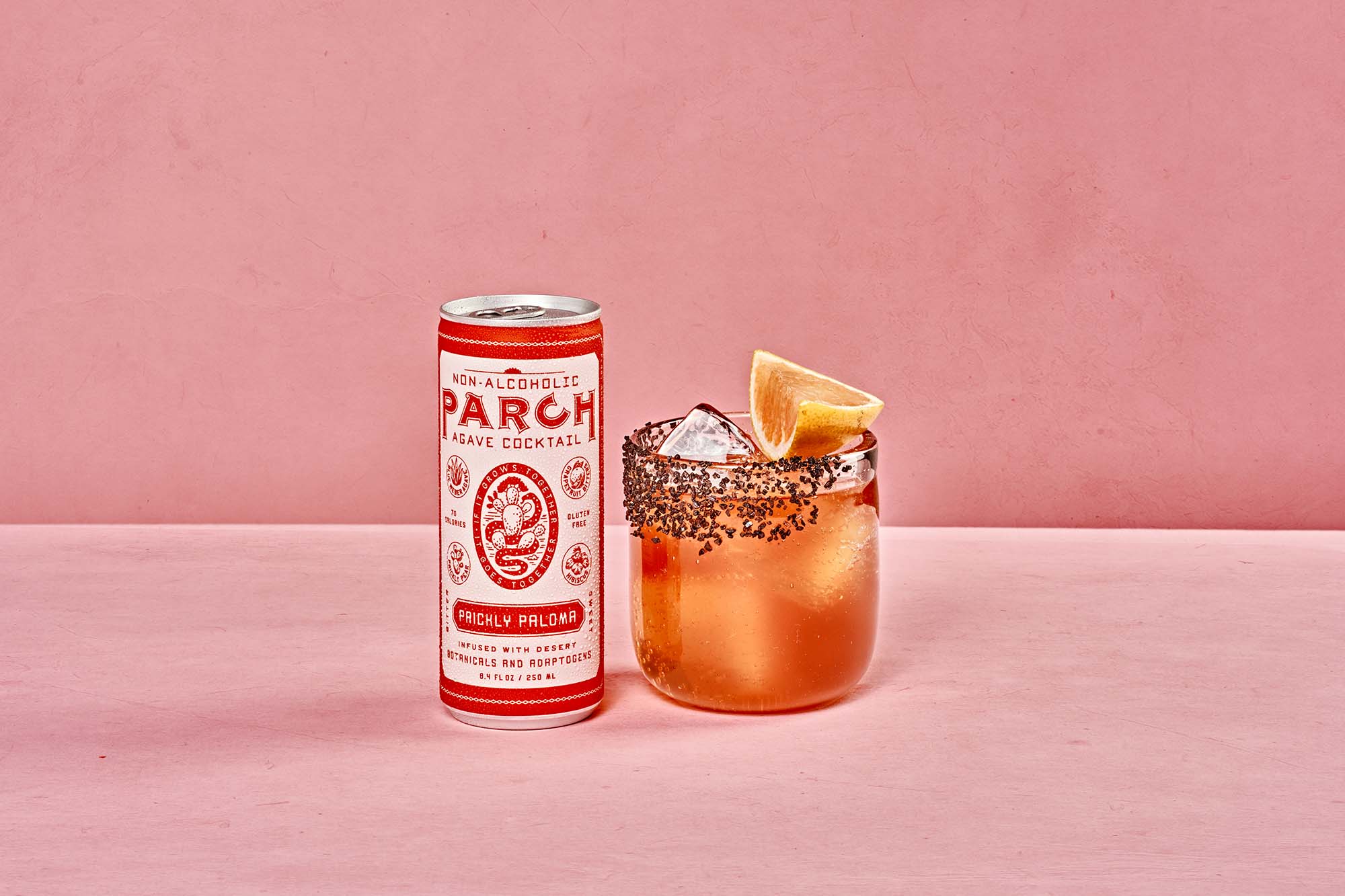
5. Packaging as social currency will shape beverage and lifestyle brands
Nowhere is this more evident than in non-alcoholic beverages.
As sober-curious and alcohol-free lifestyles grow, brands are moving away from “sophisticated” spirits mimicry and toward fun, identity-driven packaging. Consumers aren’t just buying drinks—they’re choosing what they want to be seen holding.
Packaging in 2026 will increasingly reflect:
- Social identity and self-expression
- Occasion-based consumption (parties, gatherings, gifting)
- Emotional cues that signal belonging
In this sense, packaging becomes wearable. It communicates who you are before you ever take a sip.
Key takeaway: The best packaging answers a silent question: What does this say about me?
6. Frozen aisles will continue their creative renaissance
Frozen is officially cool. (Pun intended.)
Driven by post-pandemic behavior shifts and improved product quality, frozen categories are seeing rapid innovation in:
- Formats and textures
- Flavor experimentation
- Packaging that emphasizes experience, not compromise
From globally inspired meals to indulgent-yet-permissible desserts, frozen brands are reframing convenience as a feature, not a tradeoff.
Key takeaway: Expect frozen packaging to feel more premium, playful, and crave-driven in 2026.
Looking ahead: What will define CPG packaging in 2026?
If there’s one unifying theme across all predictions, it’s this: consumers are craving meaning.
In 2026, successful CPG packaging will:
- Feel human in an AI-saturated world
- Use color and character to cut through noise
- Communicate focus, not excess
- Build trust through transparency and taste
As Fred put it, brand loyalty is harder to earn than ever, but the opportunity brands have to make an impact is also bigger than ever. Packaging remains one of the most powerful tools brands have to make a simple purchase a real connection.
Watch the full Highlight Reel recap.
Related reading: Aelia x Highlight case study · BITE 2025 recap and takeaways · Which CPG Packaging Trends are Here to Stay? · Boost sales with these pet food packaging trends.