.png?width=1600&height=1000&name=AI-powered%20set%20up%20and%20analysis%20(3).png)
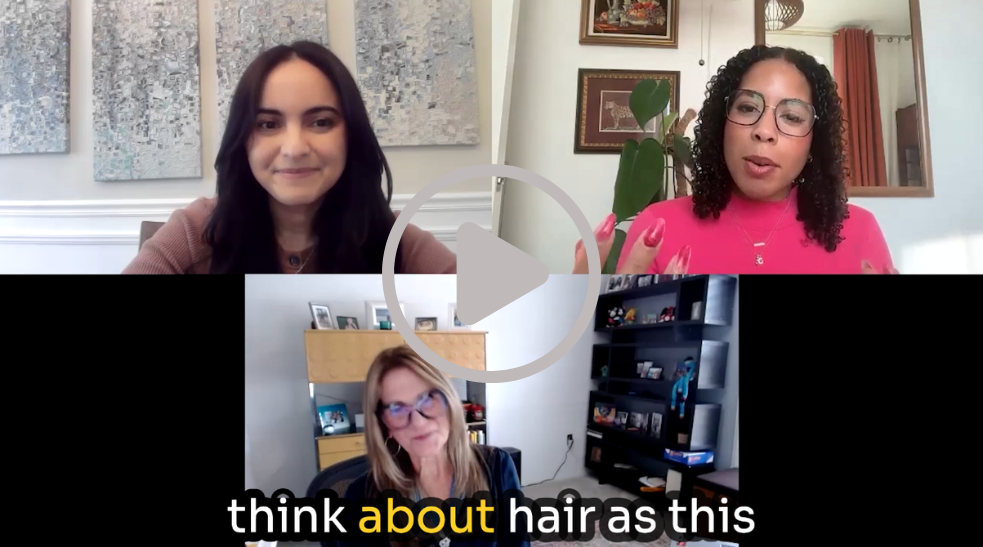

Highlight Spark: Kid-Tested, Parent-Approved: Building Better Products for Parents and Kids
Automated Webinar Transcript
Dilara Sharifi: Hello everyone and welcome to Highlight Spark. My name is Dilara Sharifi and I'm a Srategic Accounts Director here at Highlight. I am so excited to be moderating our next session titled, kid Tested Parent Approved Building Better Products for Parents and Kids. I am thrilled to be joined by two incredible panelists, Sydney Perotti, Senior Consumer Insights Manager for Once upon a Farm.
And Janette Villalobos, Senior R&D director at Frida. First and foremost, welcome to you both and thank you so much for joining us today. Let's start with some thorough introductions, Janette and Sydney. Could you each both tell us a little bit about, more about Frida and what's upon a farm and the company's mission and vision? Janette, why don't we start with you?
Janette Villalobos: Sure. So, hi. Thank you for inviting me to be a panelist today. I am so thrilled to be talking to you about what I do. I love what I do. I love coming into work every day. I work at Frida, and if you don't know. Anything about Frida, we are the, who do you call in the middle of the night when my kid is screaming brand?
I really have experienced that so many times in my life, our mission is to prepare parents for the unfiltered realities of parenthood. And what that really means is that you know, we are a brand that really gets parents, moms, parents to be, you know, and we are a solution based function, forward brand, right?
So, we understand that because, we're also, you know, we are a diverse team and we also are facing the same challenges with our own families. So, yeah, that's Frida in a nutshell.
Dilara Sharifi: Awesome.
Sydney Perotti: My name is Sydney. I'm the senior manager of Consumer Insights at Once Upon a Farm. Once upon, and I've been working in the, the food industry for the last several years, so I'm really excited to be here and kind of talk about my experience and the importance of research. I've been in consumer insights roles for the last, like, about five years, and I started my career in, in CPG and Insights as well. So, it's a function that I feel really passionate about and I'm super excited to be kind of leading the church here at Once Upon a Farm.
Once Upon A farm was founded in 2015, really with the mission of making, like eating better and really kind of focusing on childhood nutrition and allowing parents to have easy access to super healthy food options. Our founder Cassandra kind of came up with this idea when she was really not loving all of the baby food options that were available to her at the time and she decided to make her own and, you know, sell her her own products kind of at a farmer's market.
And from there the idea just kind of skyrocketed. A couple years later she ended up partnering with John Forker, who's our amazing CEO, and he, was a, the previous CEO of Annie, so he has a lot of really rich experience in this space. And then at the same time, Jennifer Garner too, and she feels so passionate about childhood nutrition and is a really big philanthropist. And so kind of between the three of them, Cassandra and John and Jennifer, we have just, you know, drove a lot of growth and you know, made a lot of impact in the world of childhood nutrition, kind of from babies to big kids, which we're starting to explore more now.
Dilara Sharifi: Awesome. Thank you for that intro to both Frida and Once Upon a Farm. I'd love to elaborate a little bit further and understand how each of your company's missions really influences their approach to product development. Sydney, maybe we can start with you with Once Upon a Farm.
Sydney Perotti: Yeah, for sure. So, our mission is really central to everything that we do, as it relates to product development and even sustainability.
I think that we always really try and focus on a, like getting the, the cleanest ingredients that we can and so from a product development standpoint, we, you know, always try and make sure that anything that we're putting in a product is really transparent and clean. And, you know, parents and our shoppers really have access to all of the testing that we do to, from, you know, our organic certifications to our heavy metal testing, which is a really big concern right now in baby food.
So, you know, for product development, I would say that it, it really kind of goes through everything, but also I think from a packaging standpoint, we are really making big strides in this area as well. So in addition to, you know, getting people to eat better, we also really feel passionate about people doing better in their lives whenever they can as well.
And that, you know, starts with us. And so when we think about packaging and sustainability, you know, we have a whole team at once upon a farm who's really focused on these types of initiatives. And it really goes from, you know, our recycling program where you can recycle the pouches that our products come in and you know, ship them back to us so that we can kind of facilitate that recycle process for free.
All the way to farm worker rights, and all of those sort of ways that we can kind of support the larger community who supports us, right? So consumers support us as a brand, but we're supported by all of the farm workers and all of the people who work really hard to ensure that we're getting the right ingredients, the cleanest ingredients, because there really is kind of a, you know, a ripple effect as it goes up from the farms that we choose to source from all the way to the little babies that are, that are eating our products and loving them.
Dilara Sharifi: Yeah, absolutely. I love that holistic view of the whole product development process. Janette, same with you on Frida. I know you said that Frida really serves the brand to call in the middle of the night. How does that mission and sort of value just drive everything you do in product development?
Janette Villalobos: Yeah, so excuse me. What we're trying to do is, you know, solve those age old problems with genius, yet simple solutions. And I have to look back at how I was introduced to Frida 11 years ago when I was having my daughter.
Someone gifted me the nose, Frida snot sucker. So, the company is 11 years old now. We had our 10 year last year. And that product was a game changer for me 11 years ago. So that's how I knew the brand. And then I came to Frida four years ago and I was a second time mom, and I had my baby, he's 10 months old.
And again, like just having that perspective because I am living that experience, has been invaluable to Frida. I think that's one of the things that makes our culture a little bit different, right? Is that we use our collective wisdom and our collective experience to really gain those insights, to drive, you know, amazing product development.
And I'll give you an example. I think it was in 2023, we launched our vapor rub. So I had been using the store-bought goop in a jar, you know, my whole life, my whole entire life. And it was, it's always messy. You always get under your nails. It always stains the kids' pajamas. I didn't even think about that problem, you know, until I got to Frida and I realized, wow, there's so many other parents that have the same tension.
Right. And so as an R&D team, we came together and we actually came with a very simple solution. You know, a no mess applicator, a gel formulation, that essentially doesn't stain and washes out really easily. So we turn, you know, those age old problems into simple solutions, and that's, that's what we do. That's how we live our mission every day.
Dilara Sharifi: Yeah, I love that and I can totally, totally empathize with some of the issues that you mentioned. That's in my 10 years as a parent. But I'd love to hear more because you both mentioned having experience in different parts of consumer goods. Today you're both in a role that you're serving parents and the needs they have to support their kids.
What would you say that you found to be really new and different or maybe even challenging about working with this type of audience and this type of consumer? Sydney, maybe we can start with you.
Sydney Perotti: Sure. I think that the biggest difference, and you know, before this I worked on RAO's homemade pasta sauce.
And so that was, you know, it was, it was a really big change, kind of moving towards a kid product and working in the world of kid marketing, but I think that the unique challenges to working with this consumer set is really the fact that you're designing products for two distinct audiences at the same time, both the parent and the child.
So, you know, a lot of our, a lot of the households that consume once upon a farm products have kids in that, you know, 2-year-old, two five-year-old range, and so around that age you get to see your kids have their own voice, their own opinions, and so while it's really important to keep in mind developing products that are going to catch the eye of parents and make sure that since they're the ones buying the purchase, buying the item themselves, we wanna make sure that our packaging resonates with them, our claims resonate with them.
The product itself is something that they see that they can use in their life while also trying to balance the other side of that, which is we want kids to like our products too. And you know, it's really challenging for us because we really are a brand who's trying to kind of revolutionize childhood nutrition and set kids up for a healthier lifestyle throughout their, throughout, you know, all the way through adulthood.
And that really starts with the first bites that they eat in their first couple years of their life. And so one way that you can really help your kids set up for success is by introducing them to new types of flavors. So we always make sure that we're including a veggie or a bitter green, or turmeric or spirulina, all of these different flavors, you know, different legumes or potatoes, they all make a difference and get your, your children kind of used to diverse and complex flavor profiles.
And so doing that in a way that kids respond really well to, and, you know, balancing that with like the sweet familiar flavors they like, like strawberries or blueberries is you know, a challenge in itself. And so I would say that when working with this consumer is that you really have to keep in mind like both types of consumers, both the kid who's the one, you know, consuming the product and, you know, has to ask for more for their parents to go buy that again. And also kind of standing out on shelf and, you know, really resonating with their parents.
Dilara Sharifi: Yeah, totally. Janette would love to know from you as well, how your experience has been catering to, to parents and kids.
Janette Villalobos: Well, a lot of the need states, I would say are very, I'm gonna call them transient, right? Although it feels like the postpartum period feels like forever if you live it right?
It's technically six weeks. It, it really does feel like forever. But from a product development standpoint, you know, it does, it, it is a very short amount of time, right? So whenever we start thinking about the problems we're trying to solve. We might, you know, we might start prototyping, let's say we're developing a postpartum pad, right?
We might start, you know, working with models and, you know, we might start of course leveraging, like I've mentioned before, our collective wisdom here in the office. There's plenty of moms, moms to be, moms with, you know, young children. However, at some point you might wanna test those products with the actual needs date, so it gets kind of tricky.
Right. We think about one of the products that came that, well, we've had a whole congestion line come out earlier this year. So if you think about recruiting for kids, you know, that are really super congested, that's pretty hard to do, to test products, to, you know, to, to validate or substantiate claims.
So I think that's, that can become kind of tricky. But, you know, we have some amazing partners that we've been working with that have enabled, you know, working that challenge, have made that challenge kind of seamless.
Dilara Sharifi: Yeah, that's such a great point between both of you. The common thing I think I heard is like, time is fleeting a little bit.
So Sydney with kids and tastes and flavors, getting earlier on with them is so important, but they change so quickly, their preferences, what they like, what they don't like. And Janette, to your point, with both kids going through cold and congestion or moms going through their postpartum stages, that timeframe might be short and it might be sort of, you know, in and out for the consumer.
That's so important to have really strong products deliver during those really important phases. Thank you for that. Such great, great insight there. I'd love to know now a little bit more of your take on the idea of product development being part and part science. So, you know, it could be a 50/50 approach, but would love to know how you, you and your team approach that.
Is it really 50 50? Is it a little more? 30/7 0? Would love to just get your take on that. And Janette, maybe we can start with you.
Janette Villalobos: You might be surprised in my answer because I am a scientist, but I'm gonna say 50/50. I'm gonna say 50/50. I think it has to be both, right? Our innovations are all grounded in science, right?
They're grounded in, in really strong scientific clinical research that exists or trends, and importantly from day one, something else that I think is a little bit different, that we do is we partner with our pediatric community. We've done that from the very beginning of the inception of our brand.
And so we talked to that community and we try to understand what's going on in, you know, in their fields of their respective disciplines that might impact our design choices, that would make our designs more effective, have more reach or solve more issues or potentially even simplify them.
So then the other one, the art piece, I think is more driven by, you know, the collaborations I have with my industrial design partner, my packaging engineering partner. Where we're dissecting every facet of the user experience to ensure that we're designing the most simple, easy to use products, right? We just don't leave any stone unturned.
Dilara Sharifi: Yeah. Sydney, we would love to hear your take on that too.
Sydney Perotti: Yeah, I actually completely agree. 50/50, right? Like, I think that for us, the science is all about things like food safety and nutritional integrity and like the functional benefits of like the product itself.
And this is really where R&D comes in and shines. And our R&D team is amazing because we have so many boxes that we have to check for our shoppers. Like it has to be organic, it has to be non-GMO. It has to be clean. It has to be simple. No additives, no preservatives. And on the other hand, we also, and this kind of goes back to your, your previous question, like balance the kid element of it and make sure that the product that we're delivering for kids, like feels magical to them.
Because as you said, kid preferences. I mean, you know, everybody's preferences change over time, but kids can be very fickle, and they can, you know, be obsessed with something and have it every single day for a week, and then it's like they never wanna see it again, and so I think that balance of just, you know, making sure that we're partnering with our R&D teams and they're really getting all of the, the crucial boxes checked on their side, while balancing the fact that we still want these products to be fun.
We want them to taste really good and we want kids to really feel like this is something that's made for them. So we're constantly trying to, you know, of course maintain our, our quality standards for our products, but like, push the lever when it comes to how creative we can be with the, with the products that we're launching for kids.
So we play around with different characters of fruit and like how does a character, how does a strawberry character look for? You know, toddlers and younger babies look compared to one of our other big kid products for a 7-year-old or an 8-year-old. And, you know, I know that they're, they're pretty close in age, but like their preferences and what they find cool and fun are completely different.
And so I think when it comes, so a lot of times what, how we approach our innovation launches is we, you know, we will launch a new flavor. For example, our latest launch was, a cranberry skew. And we had a baby blend and a bigger kid blend and the packages looked a little bit different. The profile, the flavor profile for our big kid blend, we can call, it was a lot more complex.
Usually they'll have a couple spices, whereas the baby blend is still getting those new flavors, you know, new fruits or vegetables into or on, you know, baby's palettes. But it's just a lot simpler and, you know, just a different experience for them. So I think that for us, we always have to kind of balance research and the science part of it, with the art part of it. Just, you know, based on who our shoppers are and who's consuming our products.
Dilara Sharifi: Yeah. Such a great answer. Tying into that balance of art and science, you know, you both come from pretty distinct roles in each of your organizations. Sydney, coming from Consumer Insights and Janette and R&D.
I would love to know from each of you. What do you think is the ideal way for R&D teams or product development teams and consumer insights to work together to bring forth these really, you know, best possible products? You both touched on this a little bit. We'd love to know a little bit more about how you work together today, Sydney, maybe we'll start with you.
Sydney Perotti: Sure. So we bring R&D in very early all the time. So pretty much what our process looks like is, you know, once we have concepts of, you know, new innovation items or line extensions we, that we feel really good about, both from like a feasibility standpoint and like a brand fit standpoint, um, we will, you know, bring in R&D and make sure that they, when we are doing research on, you know, the, for the new launch of a product, they're really with us the entire way. So, you know, and it makes the product launch process so much more streamlined when you're partnering really close with your R&D partners. I would say, you know, one example that I have here is:
We identified a new product opportunity for us and we did a series of in-person focus groups and we were really kind of deciding whether or not, you know, R&D should have a seat in that room to kind of observe and ask follow-up questions. And they, a couple people from our R&D team joined and they got so much out of that experience because then they were able to take consumer preferences and feedback and, you know, flavor preferences and you know, how consumers might use these products in their life, or you know, what white space or gap we're trying to fill in this category. And, you know, hearing that firsthand really gives them all that they need to, to run with in order to start on recipe development and further like format and product development.
And so that way when they come back to our team and say, Hey, you know, here are the samples that we have. It's all already sort of rooted in research, and you know, has the foundation of all of the really rich insights that we want kind of infused in these products, and then what we can do is, you know, from there I would say we don't just kind of stop our connection with R&D there. We'll go into like sensory testing.
Dilara Sharifi: Yeah, I love that collaboration. It sounds like there's so much of it that happens and having that constant ear and eye on the consumer, um, just feels like the right way to really build products that that resonate.
Janette would love to hear from your, your side about the different functions and teams. You mentioned industrial design and package design. We'd love to know more about other ways that this all kind of threads together.
Janette Villalobos: Yeah, I think it's, it's so interesting to hear Sydney's experience.
I come from a big CPG, and there, there was definitely a discipline of consumer insights. But here at Frida, it's almost embedded in every function and everything we do. So, our process is similar, but different in other ways. So it starts with really understanding the job that, that we're trying to solve for that comes from brand from consumer insights, from brand that's embedded in the brand team.
And then, it's really important to understand, you know, what technologies, might solve that, that problem, right? And so from an RD standpoint, we start to turn those consumer insights, or the jobs to be done into solutions and technical requirements, for what this product might look like to solve that particular job.
From there, you know, it's iterative both in prototyping, right? A solution with this technology and also testing. And what's interesting is that testing could be a technical test, right? Or it also could be a consumer test. And so, similarly we use small panels. We do a lot of usage studies, internal studies.
And then, you know, when we feel good about the progression of our design, we'll typically do a more of an in-home, like a traditional CPG, right? So, to sort of validate that, that that prototype is delivering the consumer performance, the delight that we're looking for, and also to substantiate claims.
So, that's a very abbreviated process, but that's in general the process.
Dilara Sharifi: Yeah. I'd love to hear that, that it's sort of weaved into all of your functions to some extent. Yes. kind of similarly bringing that in.
Janette Villalobos: Yeah.
Dilara Sharifi: Would love to know a little bit more specific, if you can share about an example when research results or consumer feedback played a big role in maybe changing or pivoting a product's development.
Would love to just have any example that you've had, whether it's through an end use test or any other kind of testing. Sydney, maybe we'll start with you there.
Sydney Perotti: Sure, yeah. I have an example and it's actually comes from my last job, when I worked on the RAO's homemade pasta sauce business.
One thing I will say is that there's a lot of different ways that you can get consumer feedback doing testing. IHUTS or CLTs is definitely one way, but like there's a lot of. commentary I would say out there about food on social media and what people kind of offer up to brands as well. I think one thing that's kind of slept on in at least my field is like, you know, ratings and reviews and direct contacts.
And after we had launched the RAO's frozen pizza line about, gosh, three-ish years ago, we noticed after a couple months in market that repeat rate was just kind of not where, it needed to be kind of benchmarking against some of our other product lines. The product was selling really well and we were seeing a lot of great trial, but we were just kind of wanting to figure out what to do in the repeat space.
And so what we did is we actually dug into direct consumer contacts and we did kind of like a social listening exercise. And what we found is that as a sauce company, people who were buying our frozen pizzas were very, had very high expectations about what the sauce would be like and how much sauce there would be.
And what we found is that we actually had, we were under saucing our pizzas as a pasta sauce company. So, that was a huge thing that we learned just from kind of listening to the consumer and again, really giving them that voice in the room. And once we were able to kind of increase the amount of sauce that we were putting on those pizzas, that was a very like, simple R&D fix on our end.
We were able to see repeat rate, like go, right, kind of where we expected it again, some of our other product lines. So I think that, you know, of course, like, you know, sensory testing and usage testing is really great, but there's so many other data sources that you can pull from out there to get to some really rich insights. So, yeah.
Dilara Sharifi: Yeah, and I love that example coming post-launch, because to your point, there's so much that happens pre-launch and that's all great to optimize and develop. But post-launch, we still need to keep an eye on how things are doing, what people are saying. So love that example.
Sydney Perotti: Yeah, Janette mentioned like how, you know, product development can be iterative and like, I think that that's true even in like post-launch. Like to your point, you know what I mean? So it's, yeah, very true.
Janette Villalobos: There's no better way than to learn and market. Exactly. So my example is the same, actually, it was post-market.
It was a product that was launched before I came here. It's instant breast warmers, clinical research shows if you warm your breasts prior to breastfeeding, it can encourage the letdown and boost milk production. And so, it's instant, it uses a technology that you click it and it instantly, it changes phases and it instantly heats to the right temperature, for that purpose.
But through after launch, through social listening and through also some of our own testing here in the office, we found out that it, you know, moms were having a hard time resetting it, because you have to boil water, put them in there, and wait till they dissolve again. And who has time for that when you have a little baby at home? When you're learning how to breast feed, So, and you know, we just thought it was the best idea ever when we launched it.
But it actually, that paired with the changing guidance from the academy of breastfeeding medicine, I think it was last year or, yes, last, actually the year before the end of 2022, going into 23, they actually changed the guidance on how to treat mastitis and engorgement, from warm compresses and like a lot of massaging, like deep massaging too, to actually cold therapy being the best treatment for that.
So we sort of combined two things like changing guidance in the industry and consumer feedback from our own product in the market, and we completely redeveloped the product. And so what we developed was a hot cold pack that could be microwaved or it could be chilled. It had a, a custom shape, that would fit most breast sizes and around our, mu pump that just launched as well, and then it had had an integrated cover on it.
Also further simplifying so you don't have to worry about it, feeling too cold, right? An integrated cover that was ultra soft to the skin, and so we made all those changes. It's been doing really well, and we also put it into our new our revamped breast kit that we also launched the same year.
That was really focused on the pain associated with those first few weeks postpartum when you're learning how to breastfeed and you have cracked nipples and you're trying to clean your nipples. And it's a really, it's a really tough, tough, part of the journey. And so we paired it with all these products to help moms during that phase.
Dilara Sharifi: Yeah, that's a really great story. I love how it took both consumer experiences, but also professionals, you know, through the academy. The advice and sort of guidelines that they share, bringing those two things together to make the product even better. I think it brings so much trust and credibility.
As a mom myself, I probably don't keep up with the academy and all the things that, you know, come out year after year between food safety and food importance and nutrition. And also, you know, this side of the world, so trusting brands like,
Janette Villalobos: Don't worry. We do. We do.
Dilara Sharifi: Exactly. I can trust Frida and once Upon a farm to keep me updated on all the right things.
Thank you both for those answers. Those were such good examples. I'd like to just get a little bit more, I guess, deeper, maybe a little more personal because we've heard such great things about your work lives in terms of tactically who you work with and what you do. But could you each just tell us what do you find the most rewarding about your work and the job that you do to build these products for parents and kids? Janette, would you like to go first?
Janette Villalobos: Yes. What I find the most rewarding, it's when people that I just met come up to me and they say, oh my God, you work for Frida. I love Frida so much. I use all their products. Then they list all the products that they use, and some of those are ones that I've worked on, and then they tell me how much it's helped them in their life.
Right? That's, that's what we do here. That's, that's what it's all about. And it's extremely rewarding. I even sometimes when I go to Target, I see new moms chopping the aisle. And I'm like, I'm so excited for them. I'm like, they're looking at our products and I'm like, oh my God, buy it. Change your life.
So yeah, it's just the, the impact we have on our consumers, it's very rewarding.
Dilara Sharifi: Yeah.
Sydney Perotti: From my side, Of course, like I totally agree with you, Janette. Just like seeing customer satisfaction be so positive is, is very rewarding. But the reason why, like I have really fallen in love with this function of insights and why I've kind of driven myself down this path is because you really get to give the consumer a seat at the table. I feel so passionate about elevating the consumer voice and making sure that the things that they're saying about our product or to our brand really make it their way to our meeting rooms.
Because I think it's so easy for brands to get caught in like an echo chamber of how they want the products to be used in our consumers lives and the way that they wanna be positioned on shelf or against competitors. And I think that it's really important to kind of have a moment to kind of objectify the conversation for a second and really bring in consumer data and feedback about directly from consumers.
I know one recent project that we just did with Highlight, which was so rewarding was in-depth interviews. And so we sat down with consumers for, you know, 45 minutes and just talked to them about, you know, what it's like being a new mom and what it's like being a mom of three, you know, with a wide age range of kids in the household.
And just hearing their experiences and their genuine reaction to different life stages in their kid's worlds and lives, especially as it relates to eating. One thing that I think is amazing is just how many families and moms and dads have positive experiences with their kids and how they want their kids to have a really healthy relationship with food starting now all the way through the rest of their lives.
And so I think that being able to kind of take those insights and the things that they tell us and really pull that through our product development process, A) Increases consumer satisfaction because I think they really start to see a product that resonates with them and makes sense in their own lives.
And you know, B) would say it also is just, again, kind of a really great way to make sure that everybody in the organization is grounded with like the realities of parents. Sometimes I think that, you know, we can get caught up in it too, right? We have this idea of who our consumer is and you know, they, because our products are premium, they tend to be more high income.
But really when you sit down with like, who's buying our products, it's a lot of people in the middle income range as well. It's a lot of people in the low income range too. And so making sure that we have a wide view of all of these consumers and we're able to highlight things that they're saying and what's resonating them across all different income levels, generations, number of kids in the household, I think is, is really important.
Dilara Sharifi: Yeah. Love that example. I think that's so true to keep it real, if you will, that, you know, sometimes you gotta go deep and have that one-on-one conversation. Speaking from experience and seeing, you know, through my research experience as well and working in insights. In the parent world, it's always changing and there's always something new and always a way to solve.
So, really interesting to hear from both of you that, that perspective. I think we'll go to our last question, and this is going to take a bit of a step back and look at things from kind of a higher level, but we all know that the larger macroeconomic world is sort of, in a particular state at the moment.
So between supply chain shifts and tariffs and just overall consumers and parents probably feeling the pinch and, you know, some of that pressure financially and economically. Would love to just know from each of you maybe just a quick viewpoint of how you think that you would sort of advise other CPG brands or people in your type of role. So just thinking of that and be considering that as you're working through your product development process. Janette, maybe we can start with you.
Janette Villalobos: Yeah. So, Frida is extremely battle tested, with a very diverse supply chain, and we've actually been, modeling different scenarios since last year as part of our larger strategy to build, resiliency, building resiliency in our supply chain.
And so we're executing against that, today in terms of product development and how it impacts the process. I mean, definitely we consider, you know, we consider these things at the beginning of the product development cycle, but in terms of the actual work we do, it's still the same work, right? So, we're just working that much harder and closer with our supply chain friends to making sure that we are still delivering the same quality products on time to our consumers.
Sydney Perotti: Awesome. And I would say from, from our standpoint, right now what we're doing is really just keeping a close eye on shifting consumer behavior. What we, and specifically, I know that I mentioned kind of income level in, in the last question, but we're really starting to kind of slice and dice our data by income level, not just for our total brand, but at the, you know, total food and beverage level as well, just to understand like how are consumers shifting their shopping behavior at each income level.
Because when you start to dig into data like that, there's some really interesting things that you can uncover. Like I said, the foundation of who our consumers are, do kind of fall in that middle to, to high income level. And they're changing their shopping behaviors as well.
It's not just people in the low income bracket that are impacted by this. It's really everybody. And you know, I would say that one thing that we've noticed from our shoppers is really that they've gone from kind of like pandemic shopping and just shopping at one or two grocery stores to kind of do the bulk of their grocery shopping to seeking out deals at Costco, knowing when things are gonna be on promotion at their local grocery store, and really taking advantage of like this omnichannel universe, because people are looking to find the best deal they can without sacrificing so much on the quality of products that they're used to buying.
And so what we, you know, as we start to like, think about how this shopping behavior and these changes can kind of shift our business strategy. We're starting to think, okay, yes, we have such a great, you know, business in the natural channel, but how can we kind of take this learning and understand what is our business at Walmart?
You know, how does that need to change? How does that need to grow? You know, what can we keep? Continue doing with Costco and Amazon too, right? There's like so many opportunities for our pantry business online and in those e-commerce channels. And so I think just kind of keeping an eye on, you know, however, you know, your brand really decides or feels at most relevant to slice the data.
Just start kind of paying attention to those like larger consumer groups and how they're kind of shifting their shopping behavior.
Dilara Sharifi: Absolutely.
Janette Villalobos: I should clarify that I was mostly referring to the tariff, the changing tariff landscape, in my answer when I talk about the supply chain resiliency plan that we've had going on.
So I wasn't sure if I, you know, was explicit about that, but that's where our focus has mostly been in ensuring that our supply chain is resilient. And so, you know, that we continue to deliver the products, the, the amazing quality products that we deliver on time, you know, and at, you know, the same cost that we've been doing for our consumers.
Dilara Sharifi: Yeah, absolutely.
Janette Villalobos: When you were talking about, what's most rewarding, what was your answer? Remind me what, what your answer was again, because I felt like I wanted to piggyback on something you said that was kind of inspiring and I didn't do it.
Sydney Perotti: Oh, yeah. I talked about like how bringing the consumer voice into our meetings and our conversations. Yes. Yes. Can I just add something to that section now? Is it too late? I think that's so interesting, because sometimes we live at Frida in a very different world where literally the consumer doesn't have a voice because they don't know, they don't actually know, like, I'm gonna talk about the fertility brand for a second. We have three brands. I mean, everything is Frida, but we have mom, baby, and fertility. And I just remember when we launched the fertility brand, there's so many women that don't understand their bodies.
Right? And, and how getting pregnant works. We've been taught about, you know, sex ed, how to avoid getting pregnant, the pill our whole entire lives. And then when we're like. Like me, I was in school forever and I'm trying to get pregnant at 35. You know, we don't know. Well, we don't know. And so it's, I thought it was a very interesting juxtaposition between our brands, because there's an educational component as well.
And so, I remember when we, I was a part of the launching that brand, we had some really cool products that we launched. And when we saw the first, I got, you know, I got pregnant, you know, I'm pregnant. Yay. Frida. It was so, I was like, oh, you know, so happy to see that, you know, to see how it, our products could transform somebody's life, you know, in such a meaningful way.
So anyway, I thought that was worth mentioning
Dilara Sharifi: I love that. And I could get emotional about it because I think it's so important, but both of your brands do truly represent this point of education, Janette, to your point where parents probably don't know enough about nutrition and what's right for their kids' bodies and health.
And we're doing a lot better thanks to your brands and, you know, some other initiatives. But in the space of mommyhood and fertility and self-care for moms postpartum, I mean, I've learned a lot just from meeting you, Janette, in reminding me of things that I probably went through and didn't realize I could have used a product for, or, you know, wish I had a product for.
But yeah, thank you both so much for just dabbling down on that, on that comment. I thought it was great. Well, I wish we had another hour to continue this conversation because it's been so, so fulfilling for me. I really appreciate both of your times, but unfortunately we are out of time. I am so glad we got to speak of speak with both of you.
Thank you, Sydney. Thank you Janette. Really appreciate your time. Would love to just end with, you know. Saying thank you for all the, all the things that we've learned and heard from you both about your roles and your brands. For our viewers, I know that they feel the same, but there is more to come with the Highlight Spark Summit.
So hope you'll stick around for the next session. And until then, thank you again.